



- 时间点:
- 时 分 秒 当前视频时间点
- 问题:
-
- 选项一
设为正确答案
新增选项 - 选项一
- 正确跳转时间:
- 时 分 秒 同锚点时间
- 错误跳转时间:
- 时 分 秒 同锚点时间




恭喜你,回答正确~
很遗憾,回答错误~
正确答案: ,您可以



本单元的主题语境是“人与自我”,话题是“父母与子女关系”,其目的是帮助学生学会与父母沟通,体恤父母、关爱父母,与父母和谐相处。本文是一篇杂志文章,体裁是议论文,介绍了亲子矛盾冲突产生的原因,提出了相关的解决办法,帮助学生理性认识青春期身心发展及“代沟”现象,学会平稳度过敏感的青春期。
学生刚刚进入高中阶段,而高中英语课文又长又难,词汇、句式、语法都大大提高难度,对于学生来说是很大的挑战,学生仍在适应过程。正好处于青春期的高中生,也面临着各种各样的亲子矛盾,本文的学习与学生的生活息息相关,学生容易引起共鸣,也能更好的理解青春期生理以及生理方面的变化,从而懂得正确处理亲子矛盾。
1. Grasp the structure of the article;
2. Grasp the structure of an argumentation;
3. Adopt a positive attitude and practical solutions to deal with real-life parent-child tensions.
1. Improve students' abilities to analyze problems;
2. Write a short argumentation about parent-child tensions.
Unit 2 Strangers under the same roof?
Structure Argumentation Students' presentation
problem
cause key words/phrases
solution
conclusion
1. Ss finish a questionnaire about their relationships with their parents in Wenjuanxing before class.
1. Do you think your parents love you?
2. Do you love your parents?
3. Do you quarrel/argue with them?
4. How often do you quarrel/argue with them?
2. T Shares the results of the questionnaire in class and tells students that it is common to have parent-child tensions.
【设计意图:课前让学生使用问卷星完成一份问卷调查,在课堂上当堂分享调查结果,用客观数据告诉学生:父母爱我们,我们也爱父母,但是我们仍然会与父母争吵,这是正常的。学生自己做的问卷调查,对结果更感兴趣,也为引入本单元的话题和接下来的学习做好铺垫。】
T leads Ss to focus on the title, pictures of the magazine article and use the following questions to help students have a better understanding of the title.
1. What's the meaning of "under the same roof ?
2. What does "strangers" refer to ?
3. What do you think "strangers under the same roof ”mean?
【设计意图:指导学生关注图片、题目,通过三个问题,让学生更好地理解标题,并快速获取文章主旨。这种创造性阅读的方式有助提升学生观察力和推断力。】
1. T asks Ss to skim the passage and find out the topic sentence of each paragraph.
Para. 1:
Para. 2:
Para. 3
Para. 4
Para. 5
2. T uses the topic sentences to help students analyze the structure of this article.
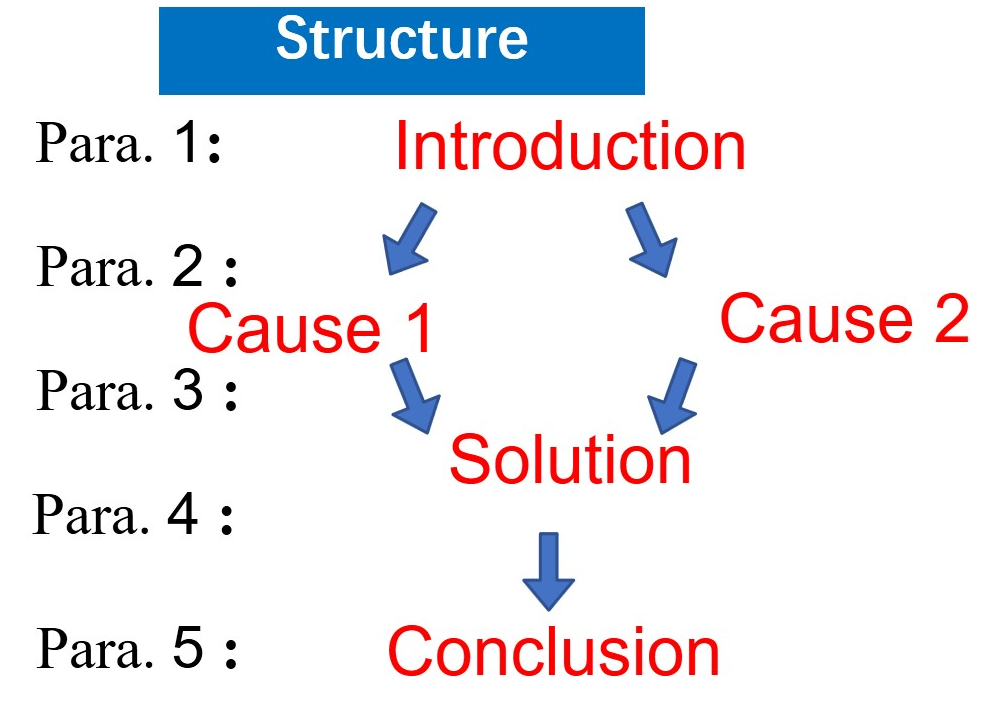
3. Complete the details of the table of the structure.

4. T leads Ss to understand the genre of the article.
What is the genre of the article?
A. narration
B. exposition
C. argumentation
5. T concludes the structure of an argumentation.
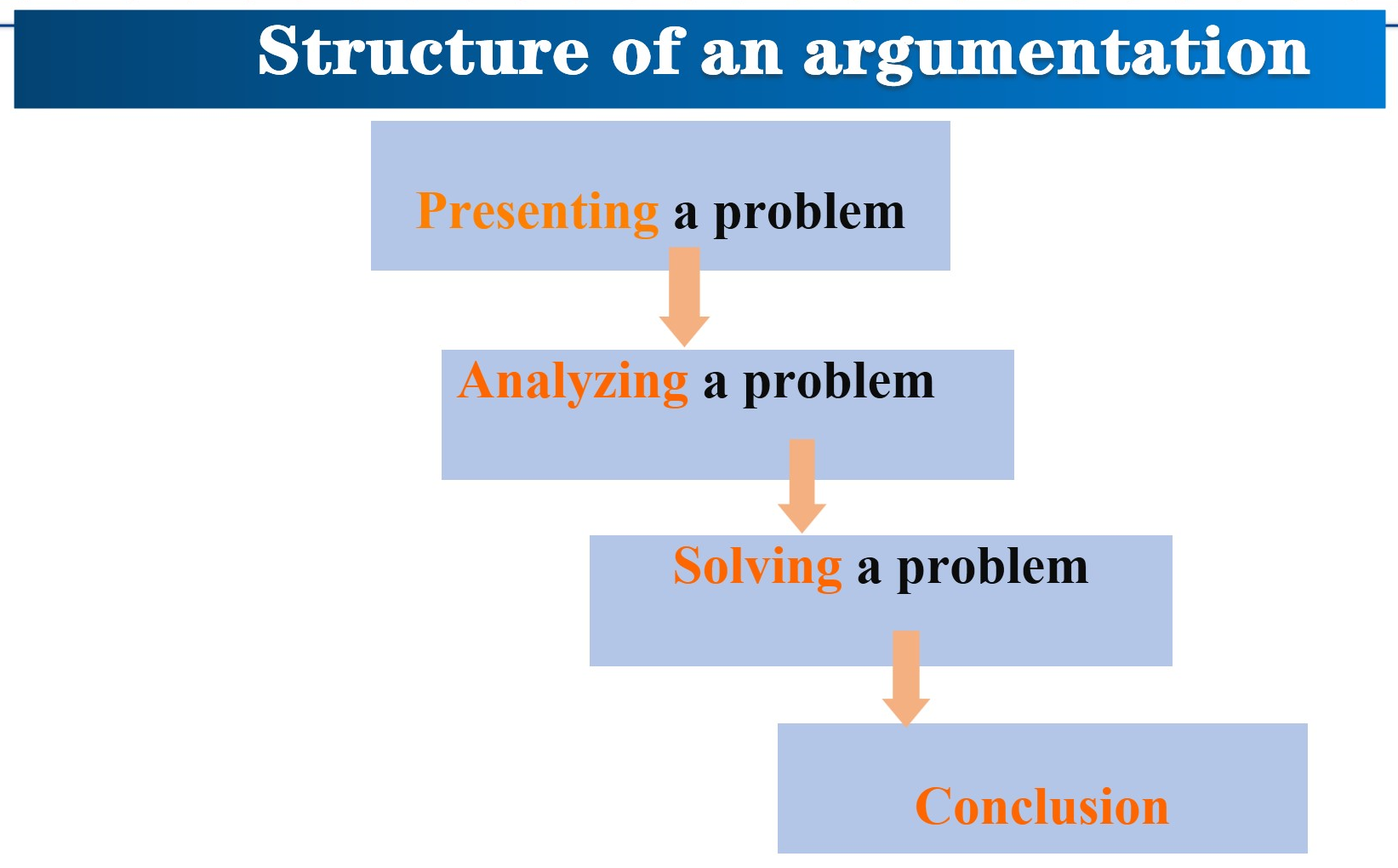
【设计意图:这是本片段课时的重点内容,从寻找段落主题句,到引导学生分析本文的结构,再进一步提升到学习议论文的结构,学生根据信息结构图从宏观上梳理语篇结构,把握语篇脉络和逻辑关系,形成结构化知识,一步一步了解议论文的结构。】
T leads Ss to write a short argumentation about parent-child tension according to the picture. Ss discuss within groups, share ideas with each other and finish the writing.
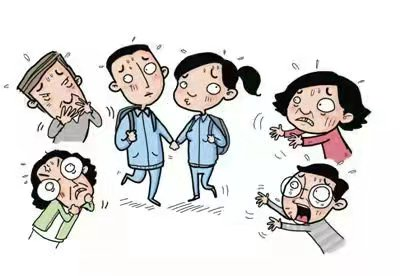
T guides students to use the following questions and steps to help the writing.
1. What is the problem shown in the picture?
2. Why is there such a problem? (physical /mental changes)
3. How to solve this problem?
4. Make a conclusion.
【设计意图:这个环节是基于上一个学习环节的巩固与运用,学习完议论文的结构之后,让学生运用所学完成一篇议论文的短文写作,进一步加深学生对议论文结构的理解与把握。所选的话题是早恋导致的亲子冲突,虽然话题比较敏感,但这就是青少年会面临的实际问题,这也是教育的一部分,我们教师应该给与学生正确的引导,让学生正确认识和处理这个问题。】
Ss present their writing in front of the class according to the following table.
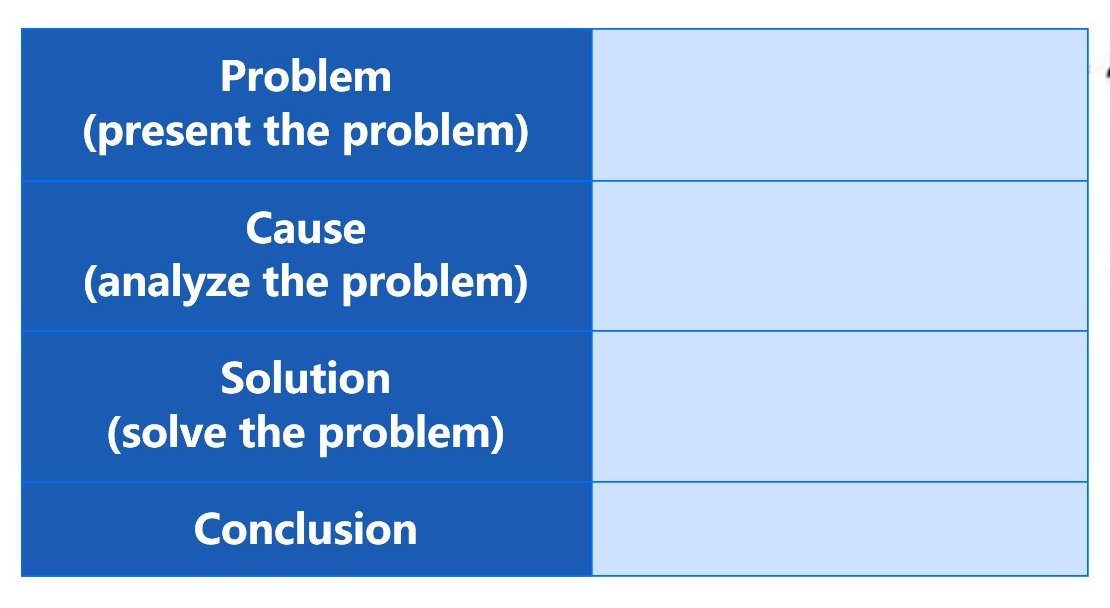
【设计意图:本环节是学生的成果展示环节,通过讨论,理解图片所呈现的问题,从生理和心理两个方面去分析早恋的原因并积极寻求解决办法,启发学生对“健康亲子关系”意义的思考,鼓励学生创造性地表达自己的观点,帮助了解“人与自我”“人与社会”的关系,从而建立健康的人生观。到这个环节,学生完成了从输入到输出的完整学习过程。】
T makes a brief summary for today's class from two aspects.
1. The structure of an argumentation.
2. It is normal/common to have parent-child tensions because of the physical and mental changes. Just keep positive, face it and keep regular and honest communication with parents.
1. Collect words or phrases related to parent-child tensions in the magazine article.
2. Write a summary of the magazine article. (within 80 words)
设为正确答案
 湘教智慧云
湘教智慧云  贝壳网公众号